
What Is Earthquake And Tsunami What Is An Earthquake How Is It Measured
What Is Earthquake And Tsunami What Is An Earthquake How Is It Measured, Indeed recently has been hunted by consumers around us, perhaps one of you personally. People now are accustomed to using the internet in gadgets to view video and image information for inspiration, and according to the name of this article I will discuss about
If the posting of this site is beneficial to our suport by spreading article posts of this site to social media marketing accounts which you have such as for example Facebook, Instagram and others or can also bookmark this blog page.
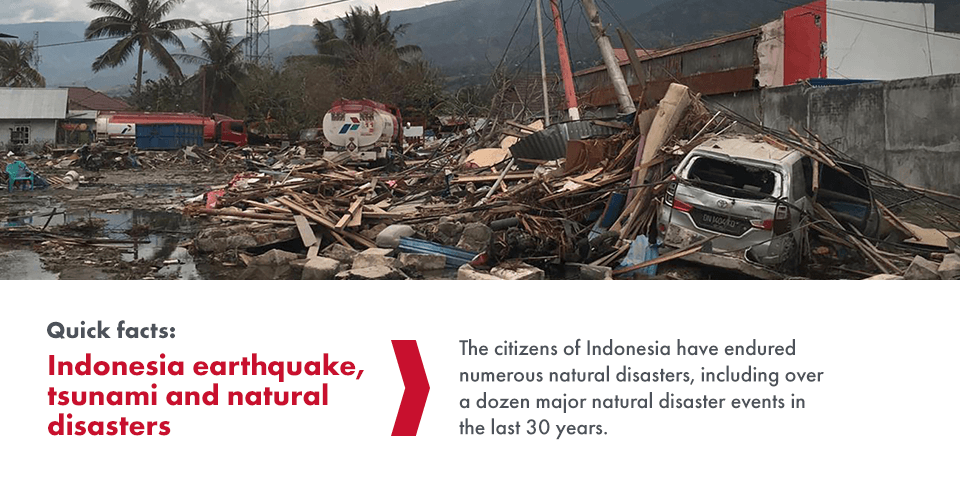
Indonesia Tsunamis Facts What To Know Mercy Corps Turkey Chili Black Beans Crock Pot

What Went Wrong With Indonesia S Tsunami Early Warning System The New York Times Turkey Chili Black Beans Crock Pot

2004 Sumatra Earthquake Turkey Chili Black Beans Crock Pot

Japan Measuring The Sendai Earthquake The Washington Post Turkey Chili Black Beans Crock Pot
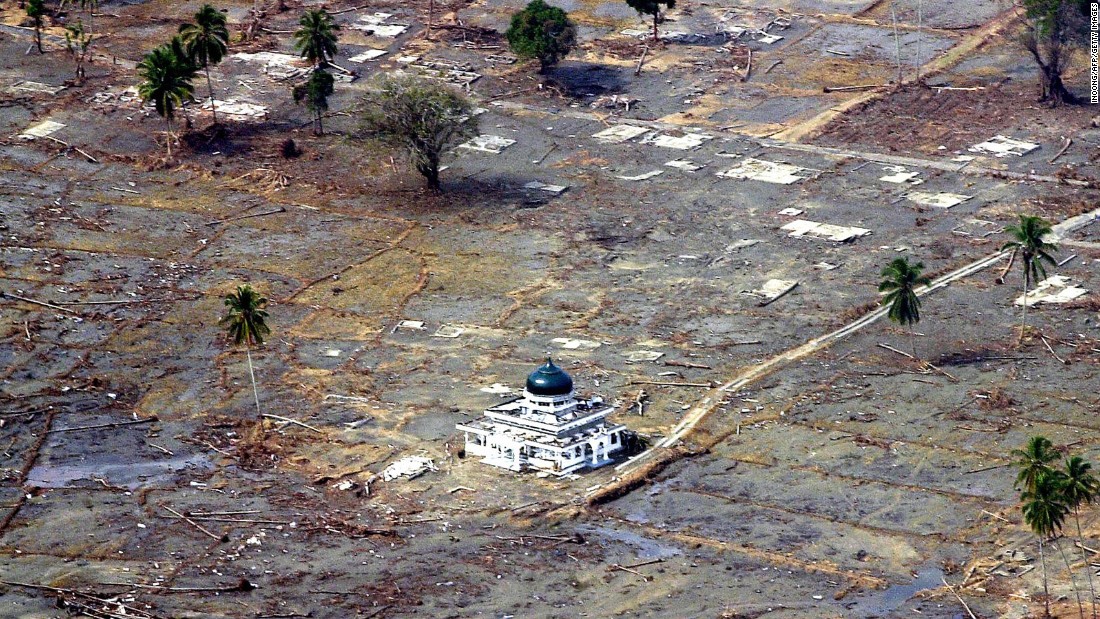
How We Measure Earthquakes Cnn Turkey Chili Black Beans Crock Pot

Nws Jetstream May 1960 Surviving A Tsunami Turkey Chili Black Beans Crock Pot
How is earthquake intensity measured.
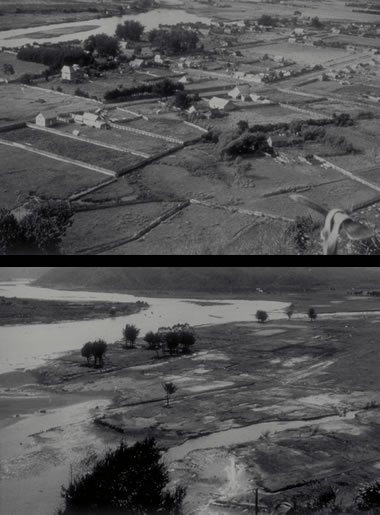
Turkey chili black beans crock pot. What is difference between earthquake and tsunami. The classification starts with minor for magnitudes between 30 and 39 where earthquakes generally begin to be felt and ends with great for magnitudes greater than 80 where significant damage is expected. A particularly dangerous form of slow earthquake is the tsunami earthquake observed where the relatively low felt intensities caused by the slow propagation speed of some great earthquakes fail to alert the population of the neighboring coast as in the 1896 sanriku earthquake.
Such events are a result of relatively slow rupture velocitiesthey are particularly dangerous as a large tsunami may arrive at a coastline with little or no warning. A tsunami earthquake triggers a tsunami of a magnitude that is very much larger than the magnitude of the earthquake as measured by shorter period seismic waves. Earthquake is refer to the sudden quivering and shaking off some of the earths portion due to changing of direction of plates beneath the earths surface.
T s u n m i t s tsoo nah mee tsuu pronounced is a series of waves in a water body caused by the displacement of a large volume of water generally in an ocean or a large lake. It is those earthquakes that take place at and beneath ocean floor that are responsible for tsunamis. Let us see what earthquake is its causes and effects how earthquake is measured and also types of earthquakesit is one of the main natural disasters.
A temblor with a magnitude of 80 or higher is considered a great earthquake on the average one earthquake of such size such as the 1964 good friday earthquake in alaska and the 2011 japanese earthquake and tsunami occurs somewhere in the world each year. Although earthquake magnitude is one factor that affects tsunami generation there are other important factors to consider. 90 percent of the dead drowned in the tsunami.
The energy released from earthquakes fracture the surface of the earth. The term was introduced by hiroo kanamori in 1972. Following are the important point which makes earthquake and tsunami differ from each other.
Earthquakes volcanic eruptions and other underwater explosions including detonations landslides glacier calvings meteorite impacts and other disturbances. The earthquake must be a shallow marine event that displaces the seafloor. Tides may induce some seismicity.
Forecasting earthquakes are a bit difficult but warning systems have been developed. Summary earthquake and tsunami are natural disasters that bring devastation of epic proportions earthquakes that take place on land do not cause tsunamis. More than 20000 people died or were left missing.
A second way earthquakes are measured is by their intensity. Thrust earthquakes as opposed to strike slip are far more likely to generate tsunamis but small tsunamis have occurred in a few cases from large ie m8 strike slip.

A Photo Shows Damaged Roads After An Earthquake Measuring 7 7 Sr And News Photo Getty Images Turkey Chili Black Beans Crock Pot

Earthquake Off Russia S Kuril Islands Prompts Tsunami Warning News Dw 25 03 2020 Turkey Chili Black Beans Crock Pot

Record Of The First Tsunami Measured In The Open Ocean The Tsunami Was Download Scientific Diagram Turkey Chili Black Beans Crock Pot

Pdf Case Study On Japan Earthquake And Tsunami Vaibhav Singh Academia Edu Turkey Chili Black Beans Crock Pot