
What Is Earthquake Fault What Is An Earthquake Grade 7
What Is Earthquake Fault What Is An Earthquake Grade 7, Indeed recently has been hunted by consumers around us, perhaps one of you personally. People now are accustomed to using the internet in gadgets to view video and image information for inspiration, and according to the name of this article I will discuss about
- Thanksgiving Turkey Vs Santa Earthquake Magnitude California
- Turkey Chili Emeril Lagasse Recipe
- India Termasuk Kawasan Asia Selatan Pernyataan Yang Tepat Tentang Lokasi India Adalah Samos Greece Houses For Sale
- Earthquake Today Kansas Earthquake Today Assam
- Izmir Saat Kulesi Earthquake In Turkey Ground Bleeding
If the posting of this site is beneficial to our suport by spreading article posts of this site to social media marketing accounts which you have such as for example Facebook, Instagram and others or can also bookmark this blog page.

South Carolina Earthquakes 8th Grade Science Izmir Saat Kulesi Earthquake In Turkey Ground Bleeding

2018 Year In Review Alaska Earthquake Center Izmir Saat Kulesi Earthquake In Turkey Ground Bleeding

T C Marsh Preparatory Academy 6th Grade Science Earthquakes And Volcanoes Izmir Saat Kulesi Earthquake In Turkey Ground Bleeding
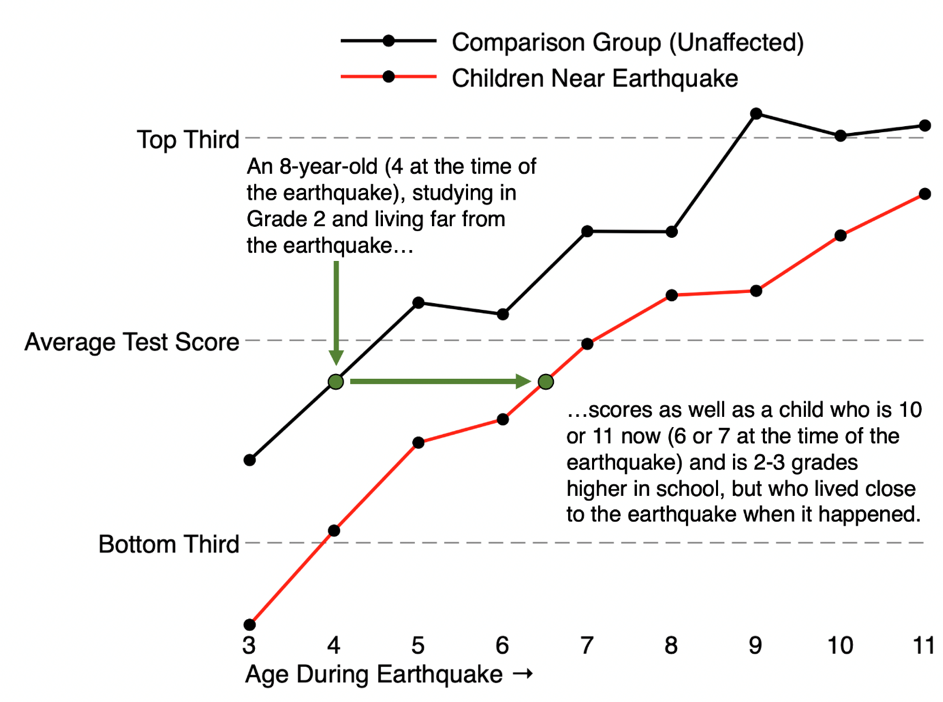
We Have To Protect The Kids Rise Programme Izmir Saat Kulesi Earthquake In Turkey Ground Bleeding
What Causes Earthquakes Quora Izmir Saat Kulesi Earthquake In Turkey Ground Bleeding

Earthquake Warning Just How Bad Is Hayward Fault S Nightmare Scenario Izmir Saat Kulesi Earthquake In Turkey Ground Bleeding
What is an instrument that detects and records waves produced by earthquakes.
Izmir saat kulesi earthquake in turkey ground bleeding. Using models explain how earthquakes are generated by faults. Earthquakes occur most often along geologic faults narrow zones where rock masses move in relation to one another. It measured a 96 on the richter scale.
A fault is a fracture or zone of fractures between two blocks of rock. The largest in the us was a 92 magnitude in alaska in 1964. Earthquakes occur on faults.
Which of the following is not a cause of an earthquake. A fault is a thin zone of crushed rock separating blocks of the earths crust. This piece of equipment can measure the magnitude of an earthquake.
Faults allow the blocks to move relative to each other. When an earthquake occurs on one of these faults the rock on one side of the fault slips with respect to the other. Earthquake magnitude is a measure of the size or amplitude of the seismic waves generated by an earthquake source and recorded by seismographs.
Earthquake any sudden shaking of the ground caused by the passage of seismic waves through earths rocks. Finally when the plate has moved far enough the edges unstick on one of the faults and there is an earthquake. Since the edges of the plates are rough they get stuck while the rest of the plate keeps moving.
Star should be somewhere along one of the. What is an area along a seismically active fault where no earthquake. A place where two tectonic plates are moving apart 6.
Most faults produce repeated displacements over geologic. 6th 8th grade. The best they can do today is point out where fault lines are so we know where earthquakes are likely to occur.
What is a fault. The types and nature of these waves are described in the section seismic wavesbecause the size of earthquakes varies enormously it is necessary for purposes of comparison to compress the range of wave amplitudes. The movement of the plates causes pressure to build up.
The fault labels should be located at the places where the blocks slide past each other. Faults can be centimeters to thousands of kilometers long. Grade 8 being located along the ring of fire the philippines is prone to earthquakes.
The largest earthquake ever recorded in the world was in chile in 1960. Types of faults a fault is a fracture or zone of fractures between two blocks of rock blocks move relative to each other along the fault plane may occur rapidly in the form of an earthquake or may occur slowly may range in length from a few millimeters to thousands of kilometers. Faults may range in length from a few millimeters to thousands of kilometers.
Fun facts about earthquakes. When the pressure is released an earthquake occurs. This movement may occur rapidly in the form of an earthquake or may occur slowly in the form of creep.
The plate boundaries are made up of many faults and most of the earthquakes around the world occur on these faults.

Causes Characteristics Of Earthquakes Izmir Saat Kulesi Earthquake In Turkey Ground Bleeding
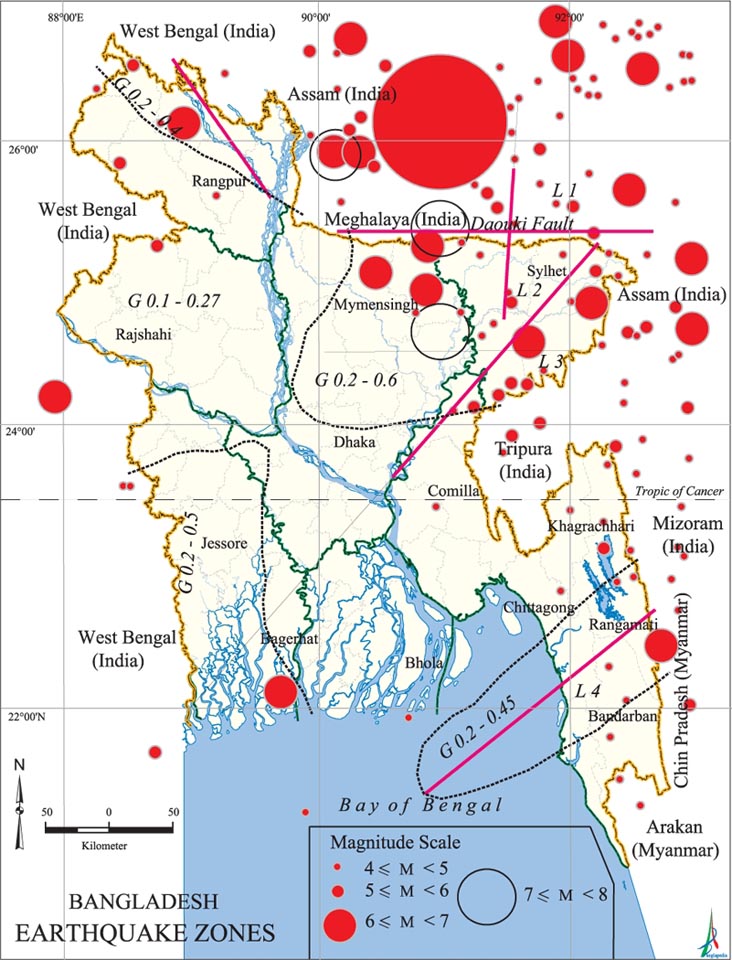
Earthquake Banglapedia Izmir Saat Kulesi Earthquake In Turkey Ground Bleeding
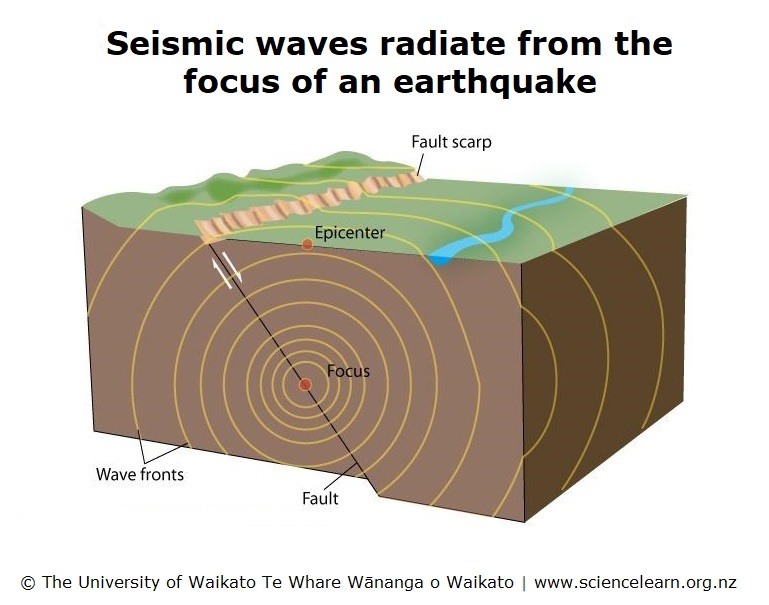
Seismic Waves Science Learning Hub Izmir Saat Kulesi Earthquake In Turkey Ground Bleeding

Earthquake Essay Essay On Earthquake For Students And Children In English A Plus Topper Izmir Saat Kulesi Earthquake In Turkey Ground Bleeding